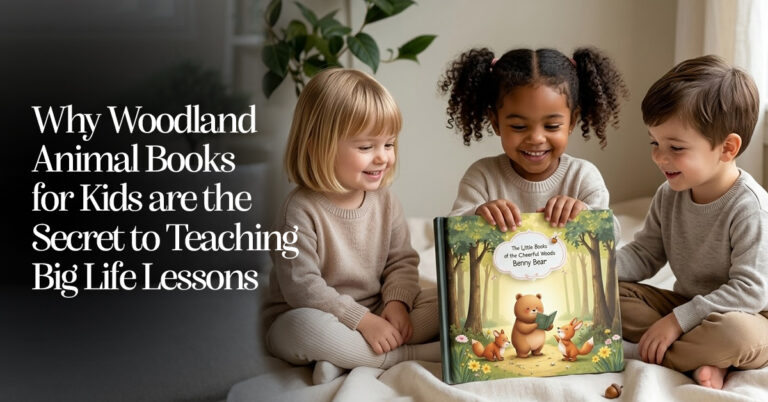
Childhood stories shape far more than imagination. The books children hear during their earliest years often influence how they understand friendship, honesty, kindness, empathy, courage, and personal growth. Long after children forget exact plot details, they continue remembering how certain stories made them feel. This strong connection is one reason animal books for kids and woodland animal stories remain timeless. Forest settings filled with squirrels, birds, rabbits, foxes, and other woodland creatures create a comforting world where children can safely explore difficult lessons and important values.
Unlike direct instruction, stories allow children to experience situations through characters they care about. They learn about jealousy through a frightened mouse, kindness through a generous squirrel, and wisdom through an observant crow. These experiences feel natural instead of instructional. Among today’s most touching woodland stories is ALMONDINE SQUIRREL: I Thought You Were My Friend by Mary Farino Thomas and illustrated by Sophie Campagnola. The story gently explores friendship, betrayal, gossip, forgiveness, inner strength, and trust through relatable woodland characters and realistic situations. Set in a snowy forest, the story begins when Almondine Squirrel and her best friend Pip Mouse encounter a hungry chipmunk searching desperately for food for his family.
Without hesitation, Almondine kindly shares her nuts.
Pip reacts differently.
“You’re too nice,” Pip tells Almondine after the chipmunk leaves.
That simple sentence quietly introduces the tension that unfolds later in the story.
As the woodland animals begin admiring Almondine’s kindness, Pip becomes jealous and insecure. Wanting attention and praise for herself, she spreads lies and falsely claims she was the one who helped the chipmunk.
Soon, Almondine finds herself isolated and heartbroken as the other forest animals begin avoiding her.
This realism is what makes woodland stories especially powerful for young readers. Children recognize these feelings because they experience similar situations themselves. Friendship struggles, exclusion, jealousy, gossip, and hurt feelings can feel enormous during childhood. Stories like this help children process those experiences safely. That depth is one reason carefully written animal books for kids continue playing such an important role in childhood development.
The Power of Read Aloud Books for Kids
Reading aloud remains one of the most genuine experiences parents and children can share. Before children fully understand complicated feelings, they understand tone, warmth, comfort, and connection. When adults read stories aloud, children are not simply listening to words. They are experiencing attention, affection, safety, and closeness. Books like Almondine Squirrel: I Thought You Were My Friend become especially powerful during shared reading because the dialogue feels deeply personal when spoken aloud.
Children hear Almondine’s sadness when she realizes the other animals no longer trust her.
“I don’t understand why everyone is angry with me,” Almondine says quietly after the rumors spread through the forest.
Moments like this help children connect with characters in ways that silent reading sometimes cannot. The warmth created during read-aloud time also strengthens family relationships. Children often feel more comfortable discussing difficult feelings after hearing stories together.
Parents naturally begin conversations such as:
- Why do you think Pip became jealous?
- Was Almondine right to forgive her?
- How would you feel in that situation?
- What makes someone a trustworthy friend?
These discussions help children build self-awareness and stronger communication skills.
Read-aloud stories also help children process difficult experiences safely. When children hear fictional characters experiencing loneliness, embarrassment, jealousy, or fear, they begin understanding those feelings within themselves. This understanding becomes especially important during early childhood because children are still learning how to identify and manage their reactions. Stories also improve imagination, language development, listening ability, vocabulary, memory retention, and social understanding simultaneously.
This is one reason many parents and educators continue valuing purposeful educational children’s books that combine storytelling with valuable life lessons. The calm rhythm of bedtime reading also creates security. Children associate stories with warmth, consistency, and comfort, helping bedtime become peaceful instead of stressful. Woodland stories are especially effective before sleep because forests naturally create soothing imagery. Snowy trees, quiet animal homes, gentle conversations, and soft nighttime settings create calmness even during difficult moments in the story. This balance between comfort and honesty is what makes woodland bedtime stories so memorable.
Forest Tales and Setting Boundaries for Kids
Many children’s stories focus heavily on forgiveness and kindness, but rarely discuss personal boundaries meaningfully.
Almondine Squirrel: I Thought You Were My Friend handles this subject with unusual maturity.
After Pip spreads lies across the forest, Almondine feels devastated. The woodland animals avoid her, whisper about her, and begin doubting her honesty. Children immediately recognize the pain of exclusion because social rejection often feels deeply personal during childhood. Instead of reacting with anger or revenge, Almondine seeks advice from Coco Crow, one of the wisest figures in the forest.
Coco introduces Almondine to a lesson called “Stop, Drop, and Roll.”
This simple strategy teaches healthy boundaries in a practical and child-friendly way.
- Stop focusing on hurtful rumors
- Drop conversations that encourage gossip
- Roll away from situations that continue causing harm
This lesson quietly introduces children to healthier social behavior. Children often believe kindness means tolerating hurtful behavior repeatedly. Stories like this help children understand that compassion and self-respect can exist together.
The story’s handling of forgiveness is equally valuable.
Eventually, Pip apologizes for her lies and asks Almondine for forgiveness.
Almondine responds honestly.
“I forgive you,” she says gently, “but trust takes time to grow again.”
That sentence may be one of the story’s most important moments. It teaches children that forgiveness and trust are not always the same thing. This lesson about setting boundaries for kids is incredibly valuable because children need to understand that protecting personal well-being is healthy and important. Almondine does not become cruel or vengeful. She remains compassionate and still acknowledges her hurt honestly.
That balance models maturity in ways many children’s stories avoid.
The woodland setting also softens these difficult lessons. Snow-covered forests, cozy tree homes, and gentle animal characters create comfort and still allow serious lessons to remain inspiring.
This gentle atmosphere is one reason woodland stories continue to stand among the most beloved books that teach kindness for young readers.
Fostering a Growth Mindset for Children Through Nature
Nature-based stories often reflect personal growth beautifully because forests themselves symbolize healing, patience, perseverance, and change. Across the story, Coco Crow encourages Almondine to focus on her actions and integrity instead of becoming consumed by gossip or negativity.
One of the book’s strongest metaphors is “The Reputation Garden.”
Coco explains:
“Every kind thing you do plants another flower in your garden. Lies may plant weeds, but flowers grow stronger when you continue caring for them.”
This metaphor quietly teaches perseverance, patience, personal growth, and integrity. Instead of trying to force others to believe her immediately, Almondine continues helping her neighbors prepare for spring and behaving kindly despite feeling hurt. Over time, the woodland animals begin remembering who Almondine truly is.
Her actions become stronger than Pip’s rumors.
This lesson strongly supports a growth mindset for children because it teaches that character develops gradually through repeated positive actions and determination. The story also reassures children that painful situations do not last forever. Feelings evolve, relationships heal slowly, and inner strength grows with time. Children often become discouraged quickly after setbacks. Stories like this help them understand that healing and rebuilding trust require patience. Nature-based storytelling makes these lessons feel especially gentle and hopeful because the changing forest seasons mirror personal growth naturally.
Winter in the story symbolizes loneliness, hurt, and isolation. As spring approaches, healing, forgiveness, and renewal begin appearing across the forest.
Children absorb these symbolic lessons even when they cannot fully explain them yet.
This subtle storytelling style is one reason woodland stories remain especially effective for childhood learning.
The story also quietly teaches children:
- Mistakes can become learning experiences
- Painful situations can heal gradually
- Kindness remains valuable even when misunderstood
- Trust is rebuilt through consistency
- Inner strength develops over time
These lessons help children build confidence and maturity without making the story feel too heavy.
Also read : How to build emotional intelligence in children
The Lasting Impact of Children’s Fiction Books
The stories children experience during childhood often shape beliefs that stay with them for years. Children may forget exact details from stories, but they remember the experiences connected to them. They remember characters who comforted them, inspired them, or helped them understand difficult situations.
This is why significant children’s fiction books remain so valuable.
Stories like Almondine Squirrel: I Thought You Were My Friend help children understand complex situations in safe and comforting ways.
Children strongly connect with Almondine’s sadness when she loses her friends’ trust.
They understand the consequences of jealousy through Pip’s choices.
They absorb wisdom through Coco Crow’s calm guidance.
Most importantly, they learn that kindness and inner strength can exist together. Modern childhood often includes difficult social pressures at increasingly young ages. Social comparison, peer pressure, exclusion, and overstimulation affect children more frequently than ever before.
Meaningful fiction helps children navigate these experiences more confidently. Woodland stories are especially effective because animal characters create comfort and still allow children to process serious topics. A squirrel learning about betrayal feels less overwhelming than directly discussing painful real-life experiences. Children still understand the lesson deeply.
This safe distance allows children to reflect on situations without feeling overwhelmed or defensive. Stories also strengthen family relationships because they naturally encourage deep conversations during bedtime reading.
Parents can discuss:
- honesty
- friendship
- gossip
- forgiveness
- jealousy
- personal boundaries
- kindness
- rebuilding trust
These discussions help children develop stronger self-awareness and communication skills.
The comfort created during shared reading often becomes one of childhood’s most lasting memories.
Even short nightly reading routines can leave lifelong impressions.As a result, woodland stories continue to remain among the most powerful animal books for kids for families seeking enriching bedtime reading experiences.
The Strong Connection Parents Feel With This Story
Parents often search for stories that entertain children and also encourage personal growth. This book stands out because it never feels overly instructional. The lessons emerge naturally through believable character experiences and reactions. Children learn through connection instead of lectures.
Parents also appreciate that the story honestly acknowledges difficult situations.
The book recognizes that:
- Friendships can become painful
- Gossip causes harm
- Jealousy damages trust
- Forgiveness takes courage
- Healing requires patience
- Boundaries matter
These are important lessons children genuinely need during friendships and social relationships. The story’s maturity makes it valuable not only for bedtime reading but also for classrooms, counseling discussions, and learning activities.
It creates opportunities for sincere conversations and remains comforting and age-appropriate. Most importantly, the story reassures children that kindness remains powerful even when situations become unfair or painful. The message remains with children long after the story ends.
Also read : Stories about Friendship for Childrens
Final Thoughts on Woodland Animal Stories
Woodland animal stories have remained popular for generations because they speak to universal childhood experiences. Every child eventually experiences friendship struggles, fear, loneliness, kindness, embarrassment, courage, jealousy, forgiveness, and hope.
Animal characters make those experiences feel approachable and safe. A squirrel learning about betrayal feels less overwhelming than directly discussing painful real-life situations. Children still absorb the lesson completely.
This sense of safety is part of what makes woodland stories timeless. The calming natural settings also contribute to comfort. Snowy forests, quiet woodland homes, soft conversations, and gentle animal friendships create soothing atmospheres that work beautifully for bedtime reading.
Stories like Almondine Squirrel: I Thought You Were My Friend balance honesty with reassurance in ways children deeply respond to.
Children finish the story feeling hopeful instead of overwhelmed. That reassurance matters because bedtime stories shape how children end their day. Stories centered around empathy, healing, forgiveness, and perseverance help children feel calmer, safer, and more supported before sleep.
1. Why are animal books for kids important for childhood learning?
Woodland animal stories help children understand kindness, jealousy, friendship, empathy, forgiveness, and courage in ways that feel safe and relatable.
2. How do educational children’s books support child development?
These stories improve imagination, communication skills, empathy, listening ability, social understanding, and parent-child bonding through shared reading experiences.
3. Why is setting boundaries for kids important in childhood stories?
Stories that teach healthy boundaries help children understand that they can remain kind while still protecting their personal well-being and self-respect.
4. How does storytelling encourage a Growth Mindset for Children?
Stories about patience, perseverance, healing, and personal growth help children understand that mistakes and challenges are natural parts of learning.
5. Why do Children’s Fiction Books leave lasting memories for children?
Impactful stories connect with comfort, imagination, safety, empathy, and family bonding, making their lessons memorable for years.