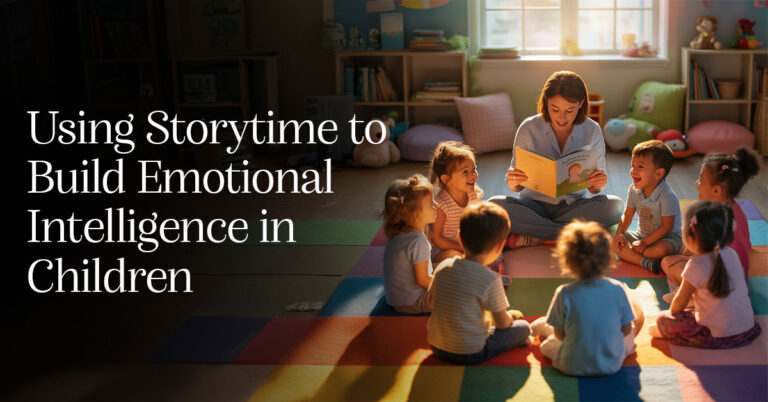
Storytime has always been a cherished tradition in families and classrooms. While reading together is often associated with learning language and imagination, it also plays a powerful role in helping children develop emotional intelligence.
Emotional intelligence is the ability to recognize, understand, and manage feelings—both our own and those of others. For children, this skill develops gradually as they experience different social situations and learn how to respond to them.
Stories are one of the most effective tools for teaching emotional awareness.
When children read books like **Almondine Squirrel: I Thought You Were My Friend by Mary Farino Thomas, they are not only following a character’s adventure, they are also observing emotions, reactions, and decisions.
As children watch Almondine navigate feelings of confusion, loneliness, and hope, they begin to recognize similar emotions within themselves. This recognition helps them better understand their own experiences.
Storytime also allows children to explore emotions without personal risk. If a character feels sad or betrayed, children can discuss those feelings openly because they are happening within the story rather than directly in their own lives.
This creates a safe space for learning.
Parents and teachers can enhance emotional learning during storytime by asking reflective questions. For example:
- How do you think Almondine felt when her friends stopped talking to her?
- What could the animals have done to understand the situation better?
- What would you do if a friend believed something untrue about you?
These types of questions encourage children to think about empathy and problem-solving.
Another important benefit of storytime is helping children understand that emotions are normal and shared by everyone. Sometimes children believe they are the only ones experiencing certain feelings. When they see characters dealing with similar emotions, they realize that their feelings are valid and understood.
Storytime also teaches resilience. Many children’s stories involve challenges or conflicts that characters must overcome. Watching how those characters respond helps children learn strategies for coping with difficult situations.
In addition, reading together strengthens the bond between adults and children. When parents or teachers take time to discuss a story, children feel supported and heard. These conversations build trust and encourage children to express their thoughts and emotions more openly.
In a world where children are exposed to many influences, intentional storytime provides a moment of calm reflection and learning. Books that focus on kindness, empathy, and friendship can shape how children understand relationships and emotions.
Through meaningful stories, children not only discover new worlds, they also learn how to better understand themselves and others.